By George Irvine
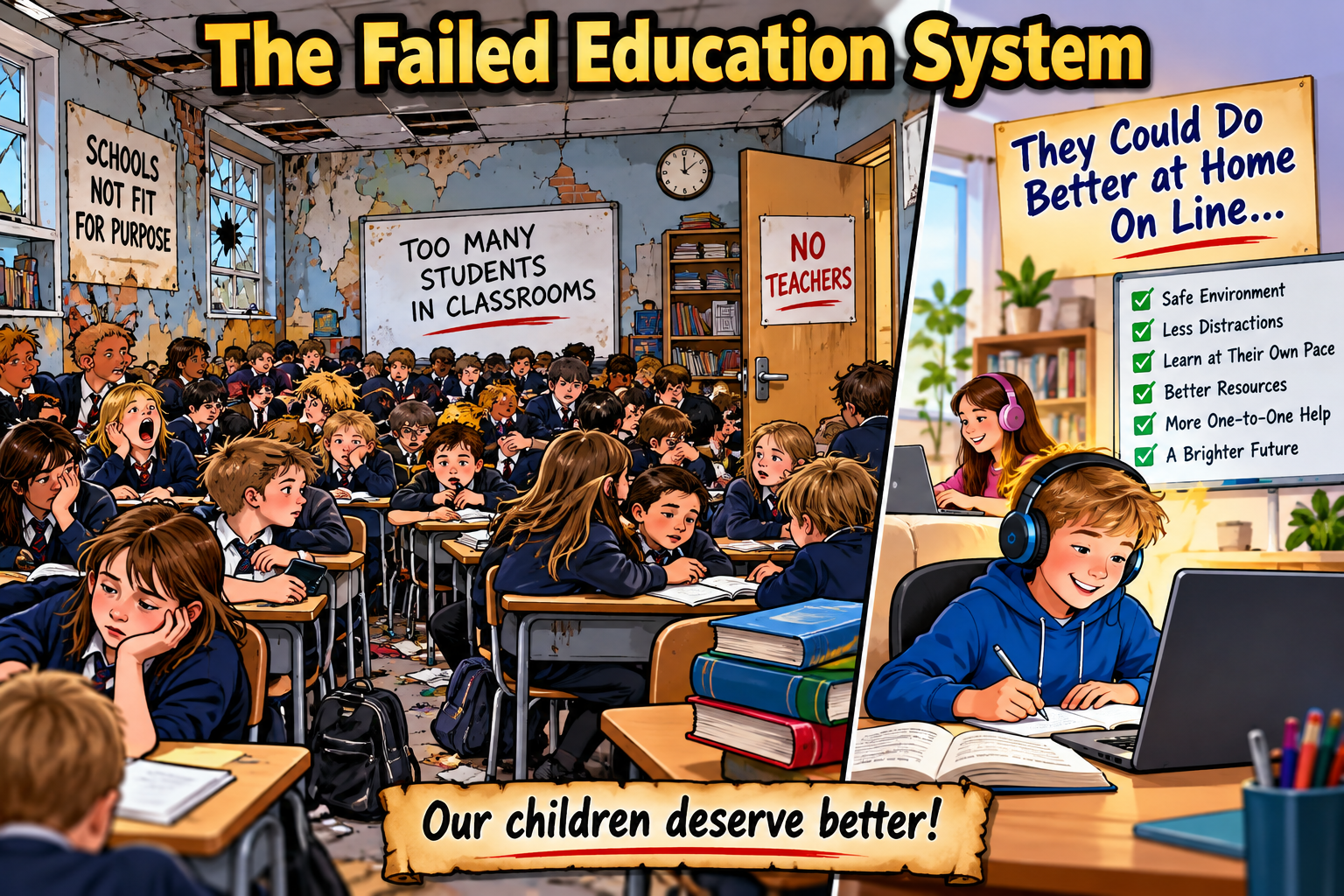
Reports of overcrowded classrooms, deteriorating buildings and teacher shortages in France raise a serious question: how can pupils receive the education they deserve when schools struggle to provide it? When a teacher is absent through illness and no replacement is available, pupils risk losing valuable learning time.
I believe money is a major part of the problem. Maintaining buildings, employing teachers and providing smaller classes all require funding. But alongside investment, should we also consider a different way of delivering lessons?
During lockdown, schools turned to remote learning. That experience gives us a starting point: qualified teachers could deliver lessons online, and those lessons could be recorded for pupils to watch again. One carefully prepared lesson could reach many classes, rather than being available only to the pupils in one room.
A pupil who struggles to understand something could pause the recording and replay it. A pupil who misses school could catch up. Where a replacement teacher cannot be found, a bank of approved lessons could help keep learning moving, with staff available to supervise and answer questions.
Artificial intelligence could also play a supporting role. Under teachers’ supervision, it could offer practice questions, explain a topic in different ways and help pupils revise. However, its answers would need checking: AI can make mistakes, and children should not be left to rely on it alone.
My proposal is to explore how much teaching could be delivered online, with recorded lessons available to every pupil. This might help schools share specialist teachers and make better use of their resources. Any savings would need to be demonstrated, because computers, internet access, technical support and supervision also cost money.
There are practical questions to answer. Every pupil would need a suitable device, reliable internet and somewhere to study. Younger children need close adult support. Pupils also need friendships, physical activity, practical lessons and personal help from teachers. Moving everything online could place an unfair burden on working parents.
For these reasons, I would begin with a combination of school attendance, live online teaching, recorded lessons and supervised AI support. Test it properly, listen to teachers and families, and judge it by whether pupils learn more and receive better support.
Technology cannot repair an unsafe building or replace the care of a good teacher. But it could help prevent a shortage of classrooms or staff from becoming a shortage of opportunities.
Children’s futures deserve both proper funding and fresh thinking.
Source for the reported concerns:
Reuters, 3 October 2026: https://www.reuters.com/world/high-school-students-paris-deprived-suburbs-spark-national-protest-movement-2026-10-03/
Leave a Reply